

A few months ago, I started sending screenshots of the number 67 to a friend.
I don’t entirely understand what 67 means. From what I can tell, that is practically the point. It is one of those numbers that has drifted through younger-internet humour until it has acquired the strange, unstable status of a joke: not exactly meaningful, not exactly meaningless, funny mostly because enough people have agreed to recognize it. Like 69, 420, or 666, it is no longer only a number. It has become cultural shorthand.
At first, sending 67 was just a running joke. I would spot it on a website performance score, a percentage, a receipt, a battery level, an analytics dashboard, or somewhere else I was not looking for it, then take a screenshot and send it off. There was no thesis. There was no grand revelation. There was only the small satisfaction of finding it again and the even smaller satisfaction of knowing someone else would understand why I had sent it.
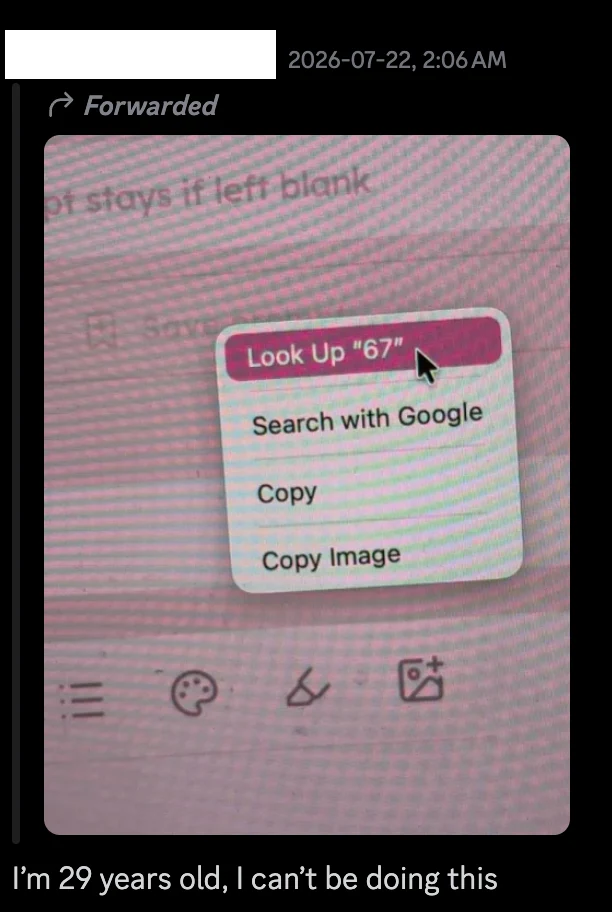
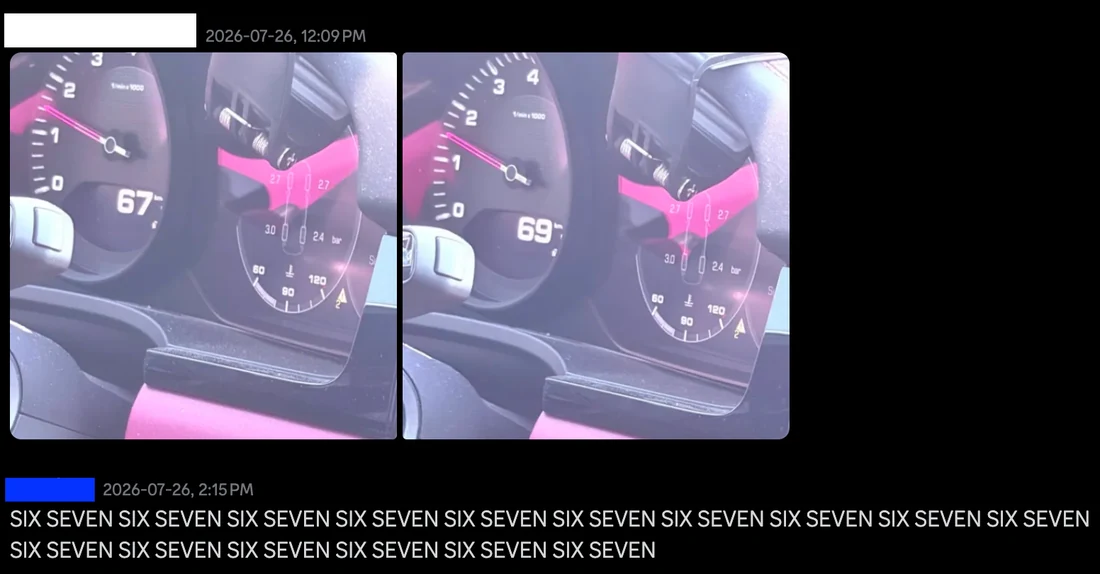
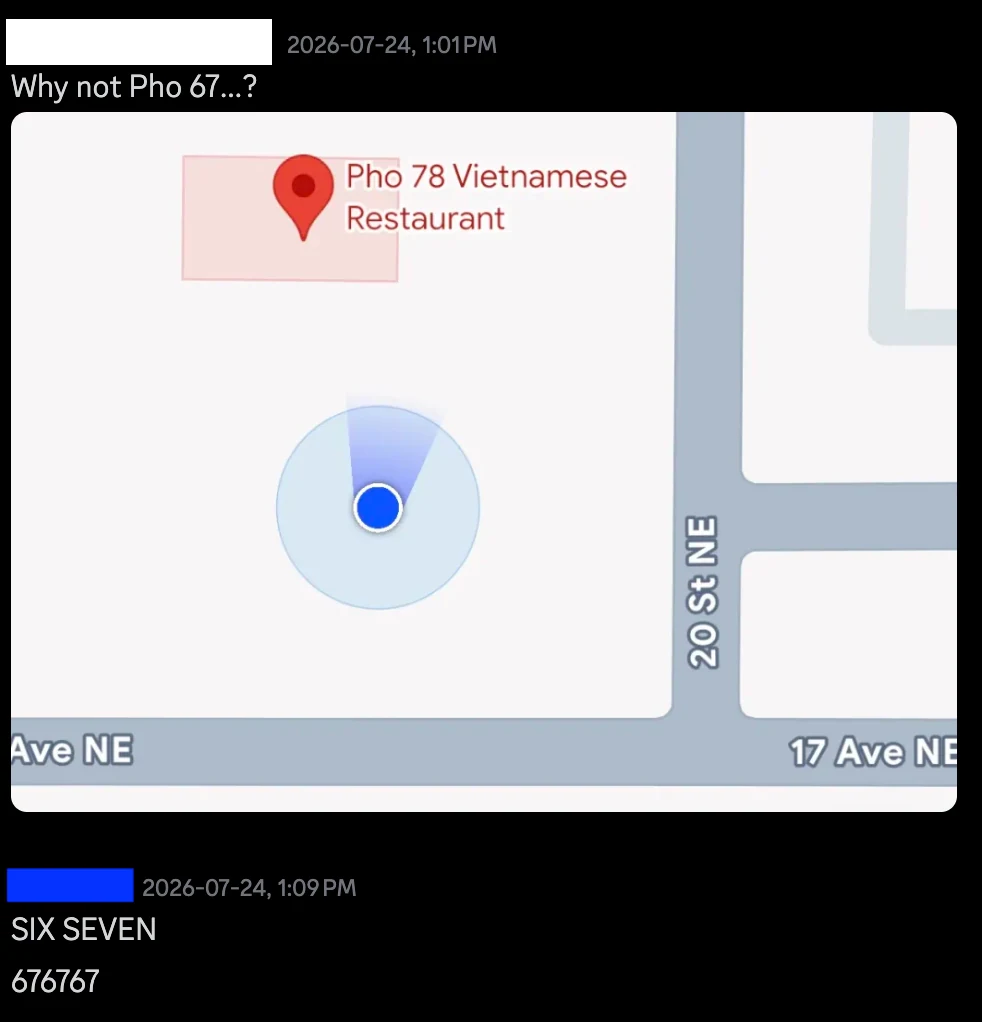
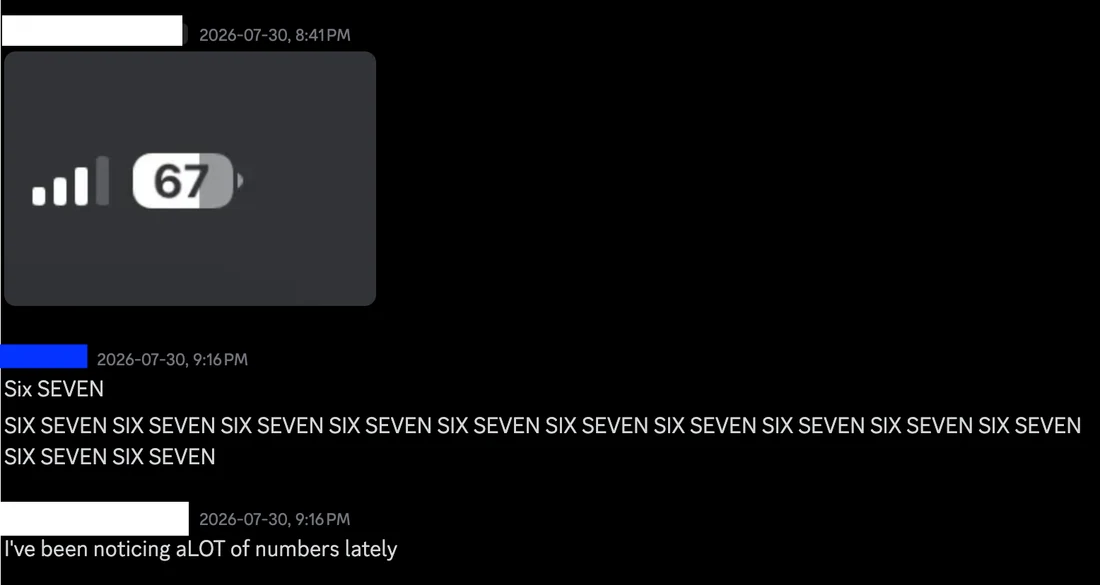
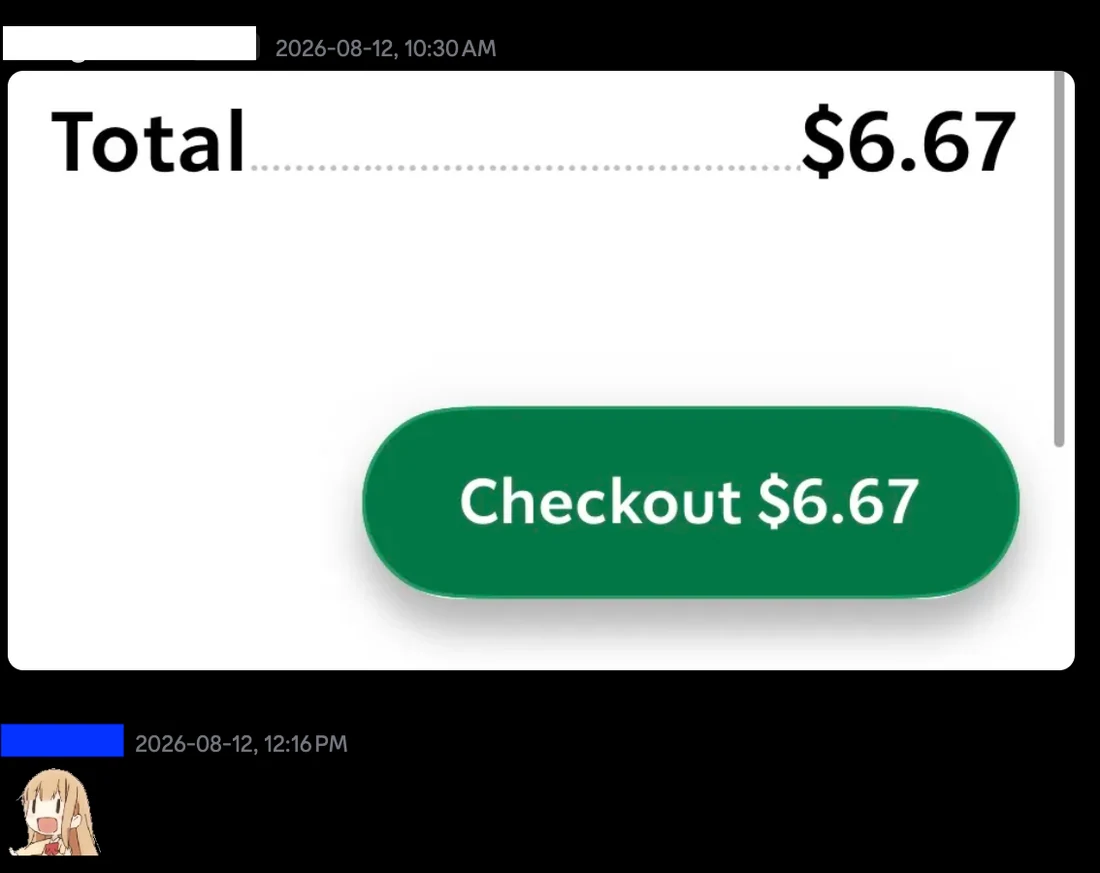
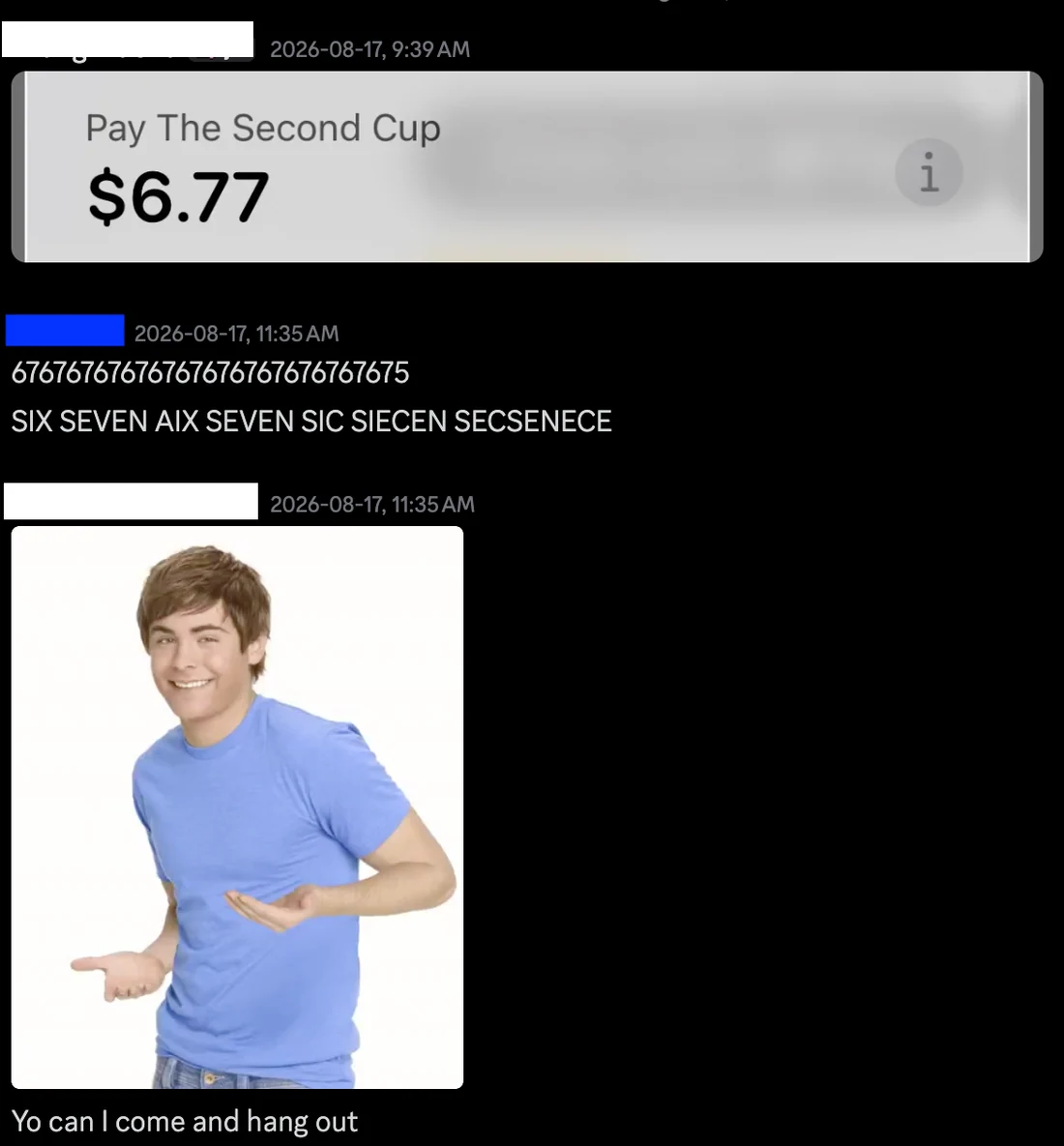
Eventually, I started photographing other numbers too.
A website score of 67. A percentage sitting at 67%. A clock reading 11:11. A comment count that repeated itself. Ordinary numbers appearing in ordinary places until they seemed, through repetition, to have personalities. Some numbers became jokes. Others became symbols. Some felt lucky, ominous, romantic, vulgar, or reassuring. And it came from us — from culture, from memory, from attention, from the stories we attached to something otherwise neutral.
Even 07734 can become a word — turn a calculator display upside down, and the digits read as “hello.” The meaning depends on how we look at it.
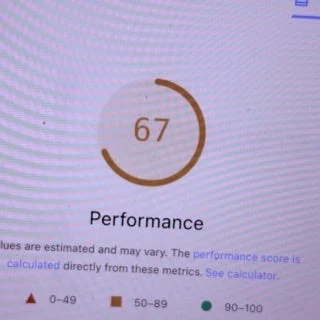
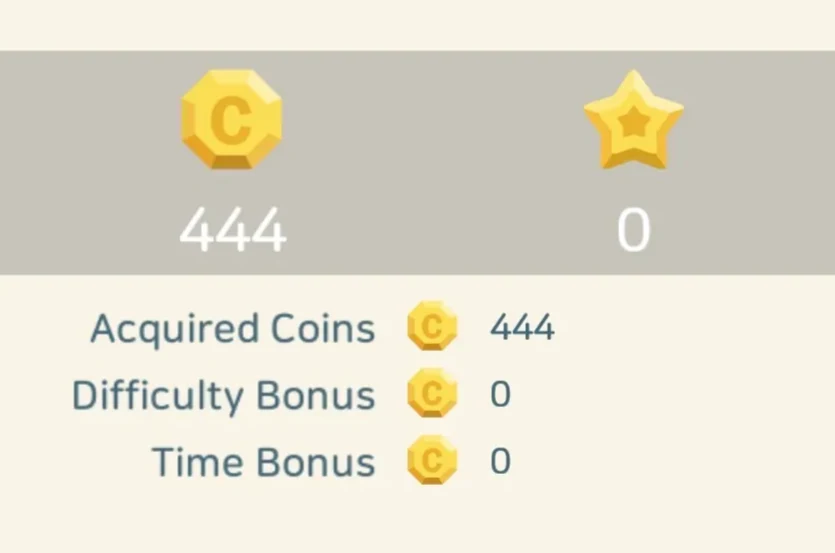

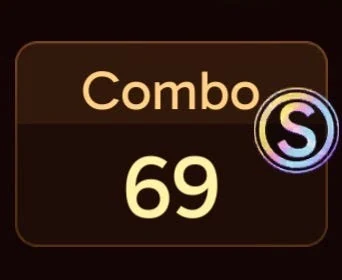
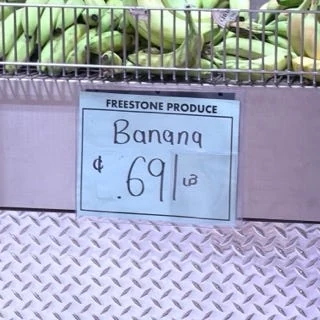
I have been doing this in some form for as long as I can remember. As a child, I noticed 11:11 on clocks to make my wish. I noticed repeated digits. I noticed when a number appeared twice in a row, or when something looked too neat to be accidental. At the time, I did not have language for why it caught my attention. I just knew that some arrangements of numbers seemed to interrupt the day. They made me pause.
There is a psychological explanation for this. Once something has become important to us, we are more likely to notice it in the world around us. Psychologists call this the frequency illusion, sometimes known as the Baader– Meinhof phenomenon: we learn or notice something, and then it suddenly seems to appear everywhere. The thing may not actually be occurring more often. It has simply become more visible to us because our attention is now prepared to recognize it.
That explanation makes sense to me. It might explain why I began noticing 67 so frequently after I started screenshotting it. Perhaps the number was not appearing any more often than before. I had simply given myself another reason to pay attention to it. I saw a 67, remembered it, took a photo, sent it to a friend, and gave it one more layer of importance. The next time it appeared, I was ready for it.
But explaining the mechanism does not erase the experience. Understanding why something catches my attention does not necessarily explain what I make of it once I have noticed it.
Psychologists have a word for the pattern-spotting itself: apophenia, the tendency to perceive connections in things that may be unrelated. Most of us do it daily, mostly without noticing. What I find myself doing here is something else: thinking about the noticing instead of only doing it. That second step, metacognition, is where the meaning-making happens.
My fascination with numbers did not begin with 67, or even with angel numbers. I have been noticing unusual numerical patterns since childhood. At some point, 555 became another number I noticed often enough to wonder what it meant. I can’t say whether I was actually encountering it more often than other numbers.
I have dealt with financial struggles throughout my life, recently most of all. They are not why I noticed 555; I noticed it first, without trying to. They are why I started asking what it meant. I was trying to understand what was happening in my life, what I should do next, and whether there was any sign that I was headed somewhere other than more uncertainty.
It is difficult to explain this kind of searching without inviting someone to dismiss it. I have had people respond to astrology, tarot, palm reading, angel numbers, and other spiritual practices with one word: pseudoscience. Often, the word arrived before a question did. It did not matter whether I was claiming that a tarot card had dictated my future or whether I was saying something much simpler: that I had found a way to think.
Calling something pseudoscience is not always factually wrong. Claims that astrology or related practices reliably predict the future need evidence; personal meaning does not establish predictive accuracy. But a practice being non-scientific is not, by itself, the same as pretending to be science. Using a symbol as a prompt for reflection is different from presenting it as an evidence-based account of what will happen. That conversation can become strangely narrow when it ignores the question people are actually asking.
I am not looking to hand over my life to a number. I don’t think a card pull should decide whether I pay rent, take a job, end a relationship, or ignore practical evidence in front of me. I don’t take saju (Koreaʼs Four Pillars of Destiny) as my universal truth. I take it as guidance.
What I like about saju, tarot, astrology, palm reading, and even angel numbers is not necessarily the claim that they reveal a fixed future. It is that they offer systems. There are symbols, categories, relationships, patterns, histories, and ways of arranging experience into something I can examine. Saju is itself an elaborate interpretive system organized around a personʼs birth date and time; it is also culturally familiar as a framework people consult around major life decisions. Whether or not it can tell me what will happen, it can give me language for what I am already trying to understand.
Around the time COVID-19 restrictions were beginning to lift, my family opened a business. It was struggling. I had recently graduated from university with two degrees and was struggling to even get an interview. Somewhere in between all that, I had started teaching myself to read tarot as a small little hobby.
I remember asking whether the business would become successful. I drew the Five of Swords. I looked at the image and the keywords printed on the card, which also included information for learning to read tarot.
What I saw in the image was soldiers collecting swords from a battlefield after a battle. In relation to my question, I interpreted it as coming out strong and triumphant after a very long and difficult battle.
That was my interpretation, not the standard meaning of the Five of Swords. I had brought the question. The image and keywords gave me something to work with, and I made a connection between them and the business. That is a moment of interpretation; it does not establish whether the card could predict what would happen.
Psychologists have a name for part of what happened: the Barnum effect, our tendency to accept vague, general statements as uniquely true of ourselves. A card can feel written for me precisely because I am the one supplying the specifics.
A tarot card does not have to be a command from the universe to be useful. It can be a prompt. If I draw a card associated with fear, transition, conflict, patience, or abundance, I have to ask myself why that image feels relevant. What am I avoiding? What am I hoping for? What choice am I trying to make without admitting it is a choice?
Maybe the cards are not telling me who I am. Maybe I am telling on myself through the cards.
That is also why angel numbers appealed to me. Before I started collecting 67s, I had been thinking about making planner templates organized around angel numbers. I imagined each number giving a page or section a different theme — not as a mystical instruction, but as a designed invitation to reflect. A 111 planner page, for example, could focus on new beginnings: the start of a school semester, a new job, moving somewhere new, beginning a major project, or trying again after a bad period. In numerology, 111 is commonly associated with fresh starts, initiative, motivation, and forward movement. I was not interested in whether 111 could predict a new beginning. I was interested in whether its association with new beginnings could help someone reflect on their own.
I liked the idea because it gave planning a different texture. Most planners ask practical questions:
What do you need to do? What is due? What is urgent?
Those questions matter, especially when money is tight and life feels like an endless list of things that must be handled. But a number-based page could ask something adjacent: What are you beginning? What do you want to become more intentional about? What part of your life needs momentum? What thought are you ready to stop rehearsing?
A planner can’t solve a financial problem. An angel number can’t make a difficult decision disappear. A number can’t guarantee that a new beginning will work out. But a symbolic structure can make a person pause long enough to name what they need. Sometimes that is not nothing. Sometimes it is the first step toward doing something real.
That is why I don’t think the opposite of rationality is meaning.
Sometimes, in these conversations, a lack of scientific evidence gets treated as a lack of personal value. Those are different questions. We can question a practice’s predictive claims and still examine what someone finds meaningful in it. Humans have always made use of symbols that exceed literal fact. We keep photographs not because they are the people in them, but because they help us remember. We celebrate anniversaries even though a date is only a date. We wear certain clothes for luck, replay songs after breakups, assign significance to places, carry objects that remind us of someone, and make private jokes so obscure that they would mean nothing to anyone else.
67 means almost nothing on its own. That is part of why it interests me.
555 was different. When I wondered what it meant, I wanted an answer. I wanted reassurance. I wanted the world to offer a little instruction at a time when I did not feel as though I had enough money, certainty, or control. 67 did not offer reassurance. It did not pretend to reveal anything. It was barely intelligible. It was ridiculous. It was funny. And maybe that was its own kind of relief.
Despite how differently I experienced them, 555 and 67 might have something in common: the human tendency to recognize patterns, develop associations, and turn a passing detail into something meaningful or shareable. One became a source of guidance; the other became a joke between friends. One made me think about my future; the other made me screenshot a percentage on a screen.
Both asked me to notice.
Perhaps that is the real meaning of all these numbers — not that they are secret messages waiting to be decoded, and not that they are proof of some cosmic order. Maybe their meaning is made in the act of attention itself. We see something. We return to it. We give it a story. We send it to someone. It becomes part of the strange personal archive of what mattered to us at a certain time in our lives.
The number does not have to be objectively magical to create a moment of magic.
Maybe that is what I love about us humans: we can make meaning out of almost anything. A number on a clock. A card on a table. A birth chart. A palm. A website score of 67.