Framework · Keep the reasoning
Chain of Authorship
What did I observe, what did I infer, and what did I decide? Keep those distinctions attached to the work.

 Provenance
A reading path · Collected by Rin Chu
Independent product reviews through everyday use: Apple Pencil comfort, skincare packaging, and what happens when something stops working.
What does an object ask of us once it becomes part of everyday life?
Start with a question: does it feel right, is it clear how to use, and what happens when it fails? My own photos and use notes show what I noticed—and what I haven’t tested.
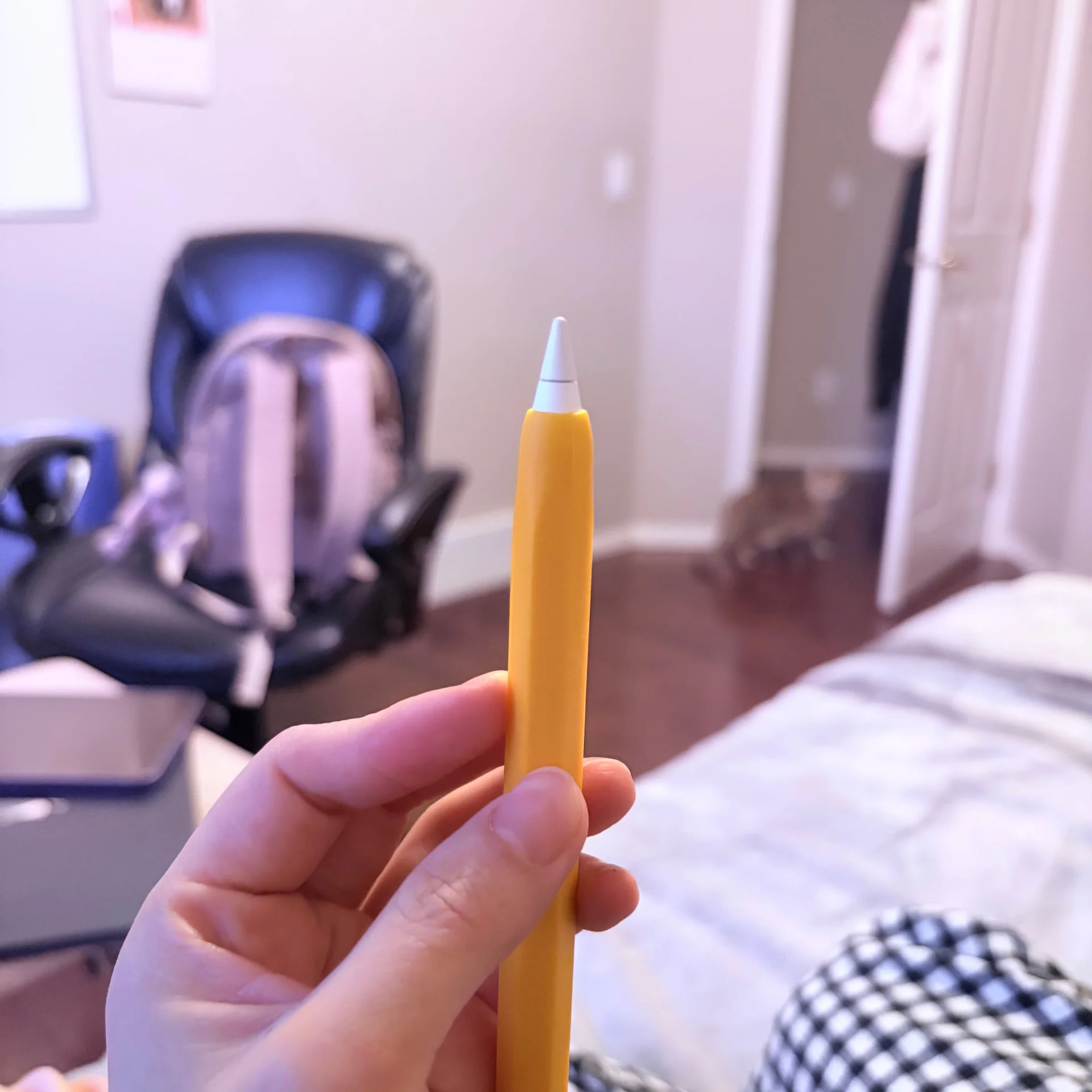
01 / Feel · Start here
The Pencil is one object. Writing involves my hand, the grip, the nib, the screen surface, and even whether the iPad is charging.
This is where I’d start: a small setup change makes the boundary around “the product” much less obvious.
My iPad mini & Apple Pencil writing setupErgonomics · Friction · Material behavior02 / Understand
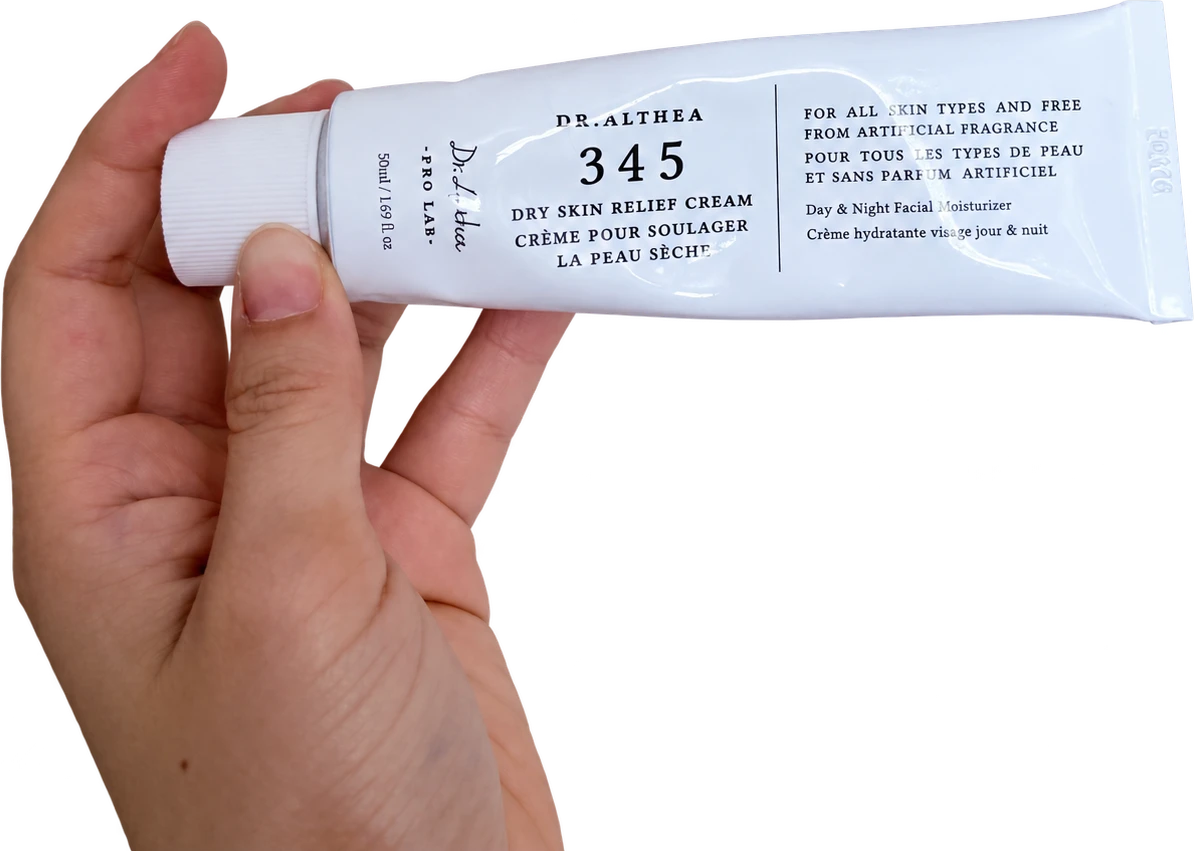
Packaging has a job after the purchase, too. This review follows the difference between what catches my attention and what helps when I’m actually using the cream.
Read the Dr. Althea 345 reviewLegibility · Affordance · Packaging03 / Failure
“It was supposed to be something useful. Now I had to deal with it.”
The heating pad worked for five or six months. Then its remote stopped lighting up. The return window had closed, and a useful object became another task.
I don’t know which component failed. The review records the short working life and the unresolved support question, rather than a diagnosis.
My Tefici heating pad stopped working after five or six months.Durability · Recovery · Hidden effort04 / Care & making
A product can become part of looking after myself. Remembering what I own, what I’ve tried, and what I thought of it becomes a design question in its own right.
Framework · Keep the reasoning
What did I observe, what did I infer, and what did I decide? Keep those distinctions attached to the work.
Writing · The design question
Follow the question beyond physical objects: what gets missed when design is treated as making something look good?
Project · From observation to making
A personal inventory of products, routines, and purchase memory. Follow the project and the decisions behind it.